Paid Advertising
Google Ads vs Meta Ads: Which One Should Your Business Use First?

The usual Google Ads vs Meta Ads debate is too simple. One article says Google is better because people are already searching. Another says Meta is better because it can reach a larger audience with visual creative. Both statements can be true, and both can still lead a business to choose the wrong platform.
The right starting point depends on the type of demand you have. Are people already searching for the service? Does the product need to be seen before someone wants it? Is the purchase urgent or considered? Do you have strong creative? Can your website convert search traffic? Can your team follow up quickly when leads arrive?
A platform is not a strategy. Google Ads and Meta Ads are two different environments for reaching people at different moments. Understanding those moments is more useful than trying to name a universal winner.
The simplest difference: Google often captures demand, Meta often helps create or shape it
Google Search ads can place a business in front of someone who is actively searching for a related product or service. That makes them especially useful when the need is already expressed. Someone searching for 'emergency plumber Kandy', 'IELTS classes near me' or 'used iPhone wholesale Dubai' is telling you something important through the query.
Meta works differently. People are usually scrolling Facebook or Instagram to see content, not to search a list of suppliers. Advertising has to earn attention inside that environment. Creative, audience signals, the offer and repetition play a larger role in moving someone from passive browsing to active interest.
This is why a local service with strong search demand may start with Google, while a fashion brand with visual products and no obvious search behaviour may learn faster on Meta. It is also why many businesses eventually use both. One captures demand that already exists, while the other can expand awareness and re-engage people who are not ready to search yet.

When Google Ads is usually the stronger first test
Google Search becomes attractive when three conditions are present: people already search for the problem, your offer matches that search closely, and the landing page can turn intent into action.
Consider a business that repairs air conditioners. A person searching 'AC repair Mawanella' has a clear need. The ad does not have to create the idea of AC repair. It has to prove relevance quickly: location, service, availability, trust and an easy next step. In this situation, search terms, landing-page quality and response speed may matter more than producing a large volume of social creative.
Google can also be useful for B2B services where search volume is smaller but the value of one enquiry is high. The campaign may not produce hundreds of leads, but the business can still justify it if the search terms are specific and the sales value is meaningful.
- People already search for the service or product category.
- The need is urgent, specific or comparison-driven.
- You can build landing pages that match the search closely.
- You can track calls, forms, purchases or another meaningful action.
- The business can afford enough clicks to learn before judging the campaign.
When Meta Ads is usually the stronger first test
Meta is often useful when the product benefits from demonstration, aspiration, before-and-after visuals, social proof or repeated exposure. Fashion, beauty, food, events, education, consumer products and lifestyle offers can all fit this environment when the creative is strong.
The platform gives you room to introduce an idea before someone searches for it. A clothing brand can show the fit and styling. A college can present student life, programmes and deadlines. An event-rental business can show a finished wedding setup. The ad is doing more than answering demand. It is helping create the desire or recognition that may lead to a later enquiry.
That advantage comes with a cost: weak creative becomes visible very quickly. If every ad looks like a poster full of text, targeting alone will not save it. Meta campaigns need a steady supply of creative angles, not simply one design used for three months.

Do not choose by cost per click alone
A cheap click can be expensive if the person had little intention to buy. An expensive click can be valuable if it comes from a highly specific search with strong commercial intent. This is why comparing Google and Meta using CPC alone is rarely useful.
The metric should follow the business outcome. For ecommerce, that may be contribution margin or cost per purchase. For lead generation, it may be cost per qualified enquiry, not cost per form submission. For a B2B service, the useful metric may sit even further down the funnel, such as meetings booked, quotes issued or opportunities created.
This also means the sales team belongs in the reporting conversation. If Meta generates 80 leads and sales says only five are relevant, that feedback matters. If Google generates 20 leads and eight become serious conversations, a higher CPL may still represent better economics.
The landing page can decide which platform appears to be better
Businesses often blame the ad platform for a problem that begins after the click. Search traffic lands on a generic homepage. A Meta ad promises a specific offer, then sends users to a page where the offer is difficult to find. A form asks for ten fields before explaining what happens next. Mobile visitors wait for oversized images to load.
Google and Meta both become easier to judge when the landing experience is aligned with the ad. The headline should carry the same promise. The page should answer the obvious objections. The next step should be visible. Tracking should capture the action correctly. Without those basics, you are comparing two media platforms through the same broken conversion experience.
A practical decision framework
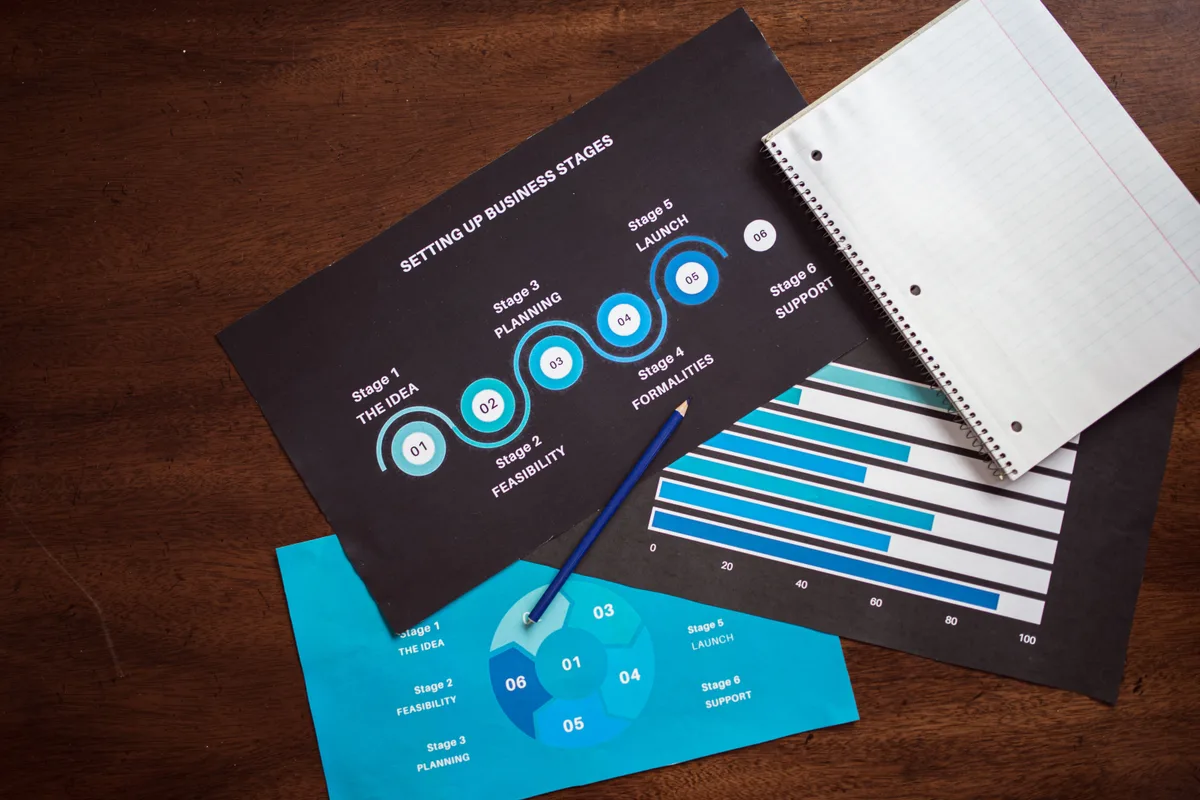
Use the questions below before deciding where the first test budget should go.
- Is there measurable search demand for what you sell? If yes, Google Search deserves investigation.
- Does the customer need to see the product, result or experience before they become interested? Meta may have an advantage.
- Is the purchase urgent? High-intent search can be valuable.
- Is the category new, visual or impulse-driven? Social discovery may be more useful.
- Do you have enough creative to test several messages? If not, Meta may struggle even with good targeting.
- Can the website convert intent? If not, fix the landing experience before increasing media spend.
- Can your sales team respond quickly and record lead quality? If not, you will have weak feedback regardless of platform.
When using both makes sense
Google and Meta become particularly useful together when the buying journey is longer. A person may first see a social ad, later search the brand or category, compare alternatives, return through retargeting and then submit an enquiry. Trying to assign all credit to one touchpoint can create false certainty.
A practical multi-channel setup might use Meta to introduce the offer and test creative, Google Search to capture active demand, and retargeting to bring interested visitors back with a clearer message. The budget does not have to be split equally. The mix should follow where demand exists and what each channel is proving.
Common mistakes that make both platforms look worse than they are
- Launching without a defined conversion action.
- Sending every campaign to the homepage.
- Judging a campaign after a very small amount of data.
- Changing targeting, creative, budget and landing page at the same time, then not knowing what caused the result.
- Optimizing for cheap leads while ignoring whether the leads can buy.
- Using the same creative on every placement without adapting format or message.
- Treating platform-reported attribution as perfect truth.
The bottom line
Choose Google Ads when you have clear search demand and can match that intent with a strong landing page. Choose Meta when visual discovery, audience building and creative persuasion are more important. Use both when the customer journey genuinely crosses both environments.
The useful question is not which platform is better. It is which platform gives your business the best chance to learn something meaningful about demand, creative and conversion with the budget you can responsibly test.
Frequently Asked Questions
Is Google Ads better than Meta Ads for lead generation?
It depends on the source of demand. Google Search can work well when people already search for the service, while Meta can work well when targeting and creative can generate interest before a search happens.
Which platform is cheaper?
There is no reliable universal answer. CPC and CPM vary by market, audience, competition, creative and objective. Compare cost per useful business outcome, not only the cost of a click.
Can a small business use both Google and Meta Ads?
Yes, but it is often smarter to begin with a clear test on the channel most aligned with the customer journey. Splitting a small budget across too many campaigns can make it difficult to learn.
Do I need a landing page for paid ads?
Not every campaign needs a separate landing page, but the destination should match the promise and intent of the ad. A focused landing page is often useful when the homepage is too broad.
How long should I test before deciding?
The answer depends on budget, conversion volume and sales cycle. The test should run long enough to collect enough meaningful actions to compare, rather than being stopped after a handful of clicks.
← Explore more insights